

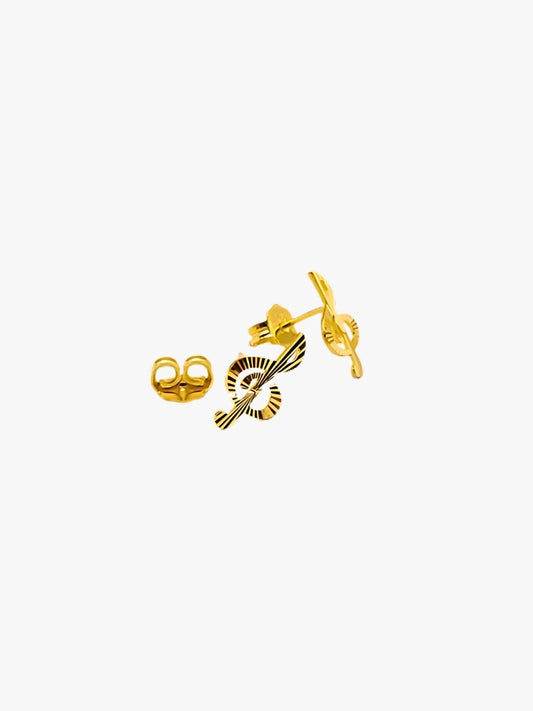
Is Now a Good Time to Sell Your Gold Jewellery? How to Evaluate Resale Value in Singapore

That Gold Sitting in Your Drawer May Be Worth More Than You Think
Gold prices have been climbing steadily. If you are thinking about when to sell gold jewellery you no longer wear, the question deserves a careful look, not a rushed decision. Many sellers either accept the first offer they receive without context or hold indefinitely waiting for a moment that never feels quite right.
Why More Singaporeans Are Reconsidering Their Gold Jewellery
A combination of global economic uncertainty and sustained high gold prices has prompted many households to take stock of what they own. Gold jewellery inherited over the years, gifts that no longer suit you, or pieces bought during emotional moments are all worth evaluating.
The Gap Between What You Paid and What You Can Get Back
What you paid at retail and what you will receive when you sell are almost never the same number. That gap is not a scam; it is the structural reality of how gold jewellery is priced and resold. Understanding why it exists is what separates sellers who feel satisfied from those who feel shortchanged.
The Three Things You Need to Know Before Approaching Any Buyer
Before walking into any shop, confirm three things: your piece's purity, its weight in grams, and what gold is trading at today. Without these three figures, you cannot evaluate whether an offer is fair or not. None of this is difficult, and the rest of this guide will show you exactly how.
What "Resale Value" Actually Means for Gold Jewellery

Resale Value vs Retail Price: They Are Not the Same
When you buy gold jewellery at retail, you pay for gold content, craftsmanship, brand overheads, and the retailer's margin. When you sell, buyers are interested in the gold content alone. The rest of what you paid for effectively disappears from the equation.
Melt Value: The Baseline Every Seller Should Understand
Melt value is what the raw gold in your piece is worth based on its weight and purity at the current spot price. This figure is the floor beneath any offer you receive. No legitimate buyer will pay above melt value for standard jewellery, and most will offer a percentage below it to cover their own operating costs.
Why Gold Jewellery Doesn't Sell Like Gold Bullion
The Role of Making Charges and Why They Disappear at Resale
Making charges, the fees charged by jewellers to craft a piece, can account for 10% to 30% of the retail price. At resale, these charges are not recoverable. Buyers pay for metal, not workmanship.
Why Brand, Design, and Craftsmanship Rarely Carry Over
Unless a piece is a signed collectable from a recognised luxury house, its design carries no commercial premium at resale. A beautifully crafted 916 gold bangle and a simple 916 gold bar of identical weight will typically achieve near-identical offers.
The Factors That Determine Your Gold's Resale Value

Gold Purity: The Single Biggest Variable
What 999, 916, 750, and 585 Gold Mean in Resale Terms
Purity determines how much actual gold exists in your piece. Higher purity means more gold per gram and a higher melt value. The table below shows how the common hallmarks compare:
|
Hallmark |
Purity |
Gold Content |
Common Use in Singapore |
|
999 |
99.9% |
Near-pure gold |
Investment bars, some jewellery |
|
916 |
91.6% |
High purity |
Most traditional jewellery |
|
750 |
75.0% |
18K gold |
Fashion and luxury jewellery |
|
585 |
58.5% |
14K gold |
Western-style jewellery |
How to Read the Hallmark on Your Piece
Look for a small stamped number on the clasp, inner band, or earring post. If it reads "916," your piece is 91.6% gold by weight. If you cannot find a hallmark, a reputable buyer will test the piece for you using XRF analysis or acid testing before making any offer.
Weight: Why Grams Matter More Than Appearance
A delicate-looking chain weighing 20 grams is worth more than a chunky-looking pendant weighing 8 grams, assuming identical purity. Appearance is irrelevant. Weight is everything.
Condition: What Damage, Repairs, and Alterations Do to Value
Minor surface wear does not significantly affect melt value. Pieces repaired with lower-purity solder or that have been plated may test lower in purity, which directly reduces what a buyer will offer.
Stone Settings: Gemstones Are Usually Excluded from Gold Valuation
Unless you are selling to a specialist gem dealer, expect buyers to value your piece based on gold content only. Stones may be removed and returned to you, or their weight deducted from the total.
Is Now a Good Time to Sell? How to Read the Market

How the Gold Spot Price Works and Where to Track It
The gold spot price is the current global market price per troy ounce for pure gold, updated in real time during market hours. Track it through authoritative sources such as Kitco or the London Bullion Market Association. In Singapore, prices are typically quoted in SGD per gram for most retail and resale contexts.
What Drives Gold Prices Up or Down
Inflation, Interest Rates, and Global Uncertainty
Gold tends to strengthen when inflation is elevated, interest rates are low relative to real returns, or geopolitical tensions rise. Investors allocate capital to gold as a perceived store of value during periods of uncertainty.
Currency Fluctuations and Their Effect on SGD Gold Prices
Because gold is priced globally in USD, a weaker SGD means higher gold prices in local currency terms, even if the spot price in USD holds steady. This is worth monitoring before you decide to sell gold jewellery and want to time your transaction.
The Timing Trap: Why Waiting for the "Perfect Peak" Often Backfires
Trying to sell at the absolute peak is a form of speculation that rarely succeeds, even for professionals. Gold prices are driven by global factors no individual seller can reliably predict. A more practical approach: sell when the price is materially higher than your cost basis and when the proceeds serve a clear personal purpose.
When Personal Circumstances Should Override Market Timing
If you need liquidity, are settling an estate, or simply want to release capital tied up in pieces you no longer use, those reasons are as valid as any market signal. Holding gold that serves no purpose while waiting for a marginal price improvement is not always sound financial reasoning.
How to Calculate an Estimate of Your Gold's Resale Value

Step 1: Confirm Your Gold's Purity and Weight
Read the hallmark and weigh your piece on a digital scale in grams. If you do not have a scale, a reputable jeweller will weigh it during a valuation at no charge.
Step 2: Find the Current Spot Price in SGD
Convert the spot price per troy ounce to SGD per gram: divide by 31.1 (grams per troy ounce), then multiply by the current USD/SGD exchange rate.
Step 3: Apply the Buyback Rate to Estimate Your Offer Range
Buyers typically offer between 85% and 97% of melt value, depending on their business model. This is your realistic offer range.
Common Deductions Buyers Make, and What's Reasonable
Assay and Testing Fees
Some dealers deduct a small fee for XRF or acid testing. This is standard practice. Excessive testing fees with no transparency around the calculation should be treated as a warning sign.
Buyback Rate Differentials (What Percentage of Spot Is Fair?)
Licensed jewellery retailers with structured buyback programmes tend to offer closer to melt value than pawnshops, because their business model does not depend on distressed-seller margins.
A Simple Worked Example: Estimating the Value of a 916 Gold Necklace
A 916 gold necklace weighing 15 grams, with gold trading at approximately SGD $120 per gram for 999 purity, note: spot prices change daily, so check a live source like Kitco before running your own calculation, would have a melt value of roughly SGD $1,652 (15g × SGD $120 × 0.916). A buyer offering 90% of melt value would offer approximately SGD $1,487.
Where to Sell Gold Jewellery in Singapore, Options Compared
Licensed Jewellery Retailers with Buyback Programmes
What a Transparent Buyback Process Should Look Like
A reputable buyer will weigh your piece in front of you, test purity using a verifiable method, state the spot price they are referencing, and provide a written quote with no pressure to accept on the spot.
How Established Retailers Handle Walk-In Valuations
Gold Jewellery Singapore- G&M Collections Pte Ltd is one example of a licensed retail jeweller that operates a structured buyback arrangement for customers, offering transparency on pricing relative to the prevailing spot rate.
Pawnshops: Pawning vs Outright Selling
When a Pawnshop Makes Sense and When It Doesn't
Pawning is useful if you need short-term liquidity and intend to reclaim the piece. For permanent sale, pawnshops typically offer lower buyback rates than specialist jewellers, as they are regulated by the Registry of Pawnbrokers and price conservatively to manage redemption risk.
Independent Gold Dealers and Refiners
Refiners deal in volume and may offer competitive rates for larger quantities. For individual pieces, the process can be less accessible than walking into a retail jeweller.
Online Gold-Buying Platforms: Convenience vs Risk
Online platforms offer convenience but introduce verification risk. Without in-person weighing and testing, there is a greater scope for disputes. Use only platforms with verifiable reviews and clear dispute resolution processes.
How to Compare Offers and Protect Yourself as a Seller
Always Get At Least Three Valuations
No single offer should be taken at face value. Three independent valuations give you a market reference and meaningful negotiating confidence.
What Legitimate Buyers Will and Won't Do
On-the-Spot Testing Methods (XRF, Acid Testing)
XRF (X-ray fluorescence) analysis is the most accurate non-destructive method. Acid testing is older but widely accepted. Both are legitimate. Buyers who test in a back room out of your sight should be avoided.
Written Quotes and No-Pressure Policies
A trustworthy buyer will provide a written quote and give you time to consider it. For added protection, verify that any dealer purchasing your gold is registered under Singapore's Secondhand Dealers Act before proceeding.
Red Flags That Signal an Untrustworthy Buyer
Unlicensed premises, no written quote, refusal to test in front of you, excessive deductions for vague "processing fees," and offers significantly below your calculated melt value are all reasons to walk away.
Common Mistakes Gold Sellers Make in Singapore

Selling Without Knowing Your Gold's Purity
The single most common error. Without knowing your purity, you cannot verify whether any offer is reasonable.
Letting Urgency Override Due Diligence
Financial pressure leads to poor outcomes. If your situation allows, build time into the process; even a few days can make a significant difference to the offer you accept.
Conflating Sentimental Value with Market Value
Sentimental value is real, but it has no bearing on what a buyer will offer. Keeping these two considerations separate makes the process far easier to navigate.
Ignoring the Difference Between Buying Price and Buyback Rate
The buyback rate is not the price you paid. Sellers who understand this distinction avoid the most common source of post-sale disappointment.
Preparing to Sell: A Practical Pre-Sale Checklist
Documents and Information to Have Ready
Original purchase receipts were available, any certification cards, and your NRIC for compliance with Singapore's Secondhand Dealers Act, which governs the purchase of secondhand goods, including gold jewellery.
Questions to Ask Any Buyer Before Accepting an Offer
What spot price are you referencing today? What purity did the test confirm? What is your buyback percentage of spot? Can I have this offer in writing?
What to Do If an Offer Feels Too Low
Thank the buyer, take the written quote, and compare it against two other valuations before making a decision. Walking away is always an option, and it is often the right one.
Conclusion
Key Takeaways for Anyone Considering Selling Gold Jewellery in Singapore
Resale value is determined almost entirely by three variables: purity, weight, and the current spot price. Making charges, design, and brand rarely translate into higher offers when you sell gold jewellery in the secondary market. The right time to sell is when you understand your piece's melt value, you have compared at least three offers, and the proceeds serve a purpose that matters to you, not when you believe you have predicted the market peak.
Sellers who understand these three levers consistently walk away with better outcomes than those who rely on guesswork or urgency. Knowledge, patience, and basic due diligence are the most reliable tools any seller can bring to the table.
Tags:
Previous
How to Buy Gold Jewellery as a Wedding Gift in Singapore: A Complete Buyer's Guide
Next
Gold Price in Singapore 2026: What Drives It Up and Down
Related articles


-
May 22 2026
Is Buying Gold Jewellery a Good Investment in Singapore?

-
May 12 2026